
December 27, 2026 – January 12, 2027 – Three credits
December 27, 2026 – January 17, 2027 – Four credits
Application Deadline: June 30, 2026
Contact nuri.uzunlar@sdsmt.edu to be waitlisted.
Arizona Field Camp
Three Semester Credits Four Semester Credits
December 27, 2026 - January 12, 2027 - Three Credits December 27, 2026 - January 17, 2027 - Four Credits
Bullhead City, AZ.
December 27, 2026 at 2:00PM
Las Vegas
January 12 - Three Credits
January 17 - Four Credits
Drop off in Las Vegas before 11:00AM
$3,995.00
$4,995.00
$300 is due at registration
June 30, 2026
Limited to 20 students
No Camping
$3,995 – Three credits and $4,995 – four credits. Deposit $300 (required upon registration). Cost includes tuition, fees, food, lodging and daily transportation to the sites. Cost does not include airfare to Las Vegas. Each session limited to 20 students.
Students will be picked up in Las Vegas at 2:00PM on December 27 and drive to Bullhead City. We will drop off in Las Vegas before 11:00 AM on January 12 – 3 credits and Jan. 17 – 4 credits.
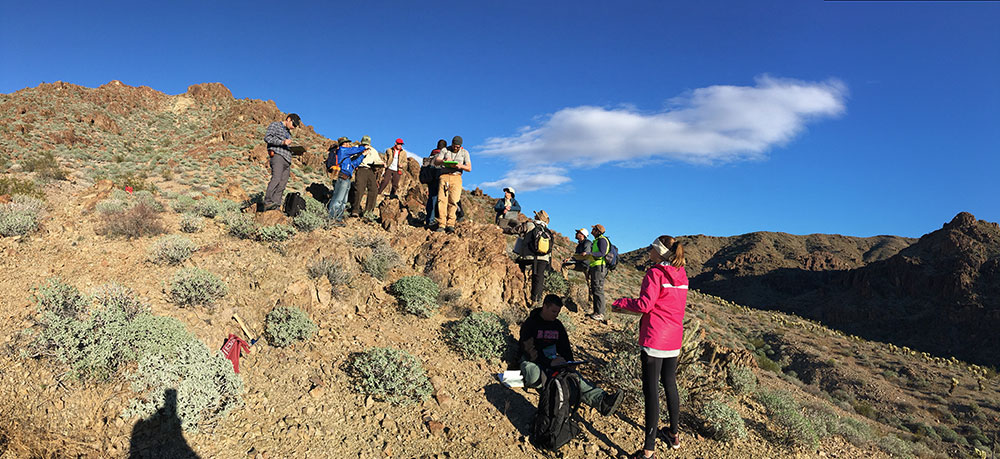
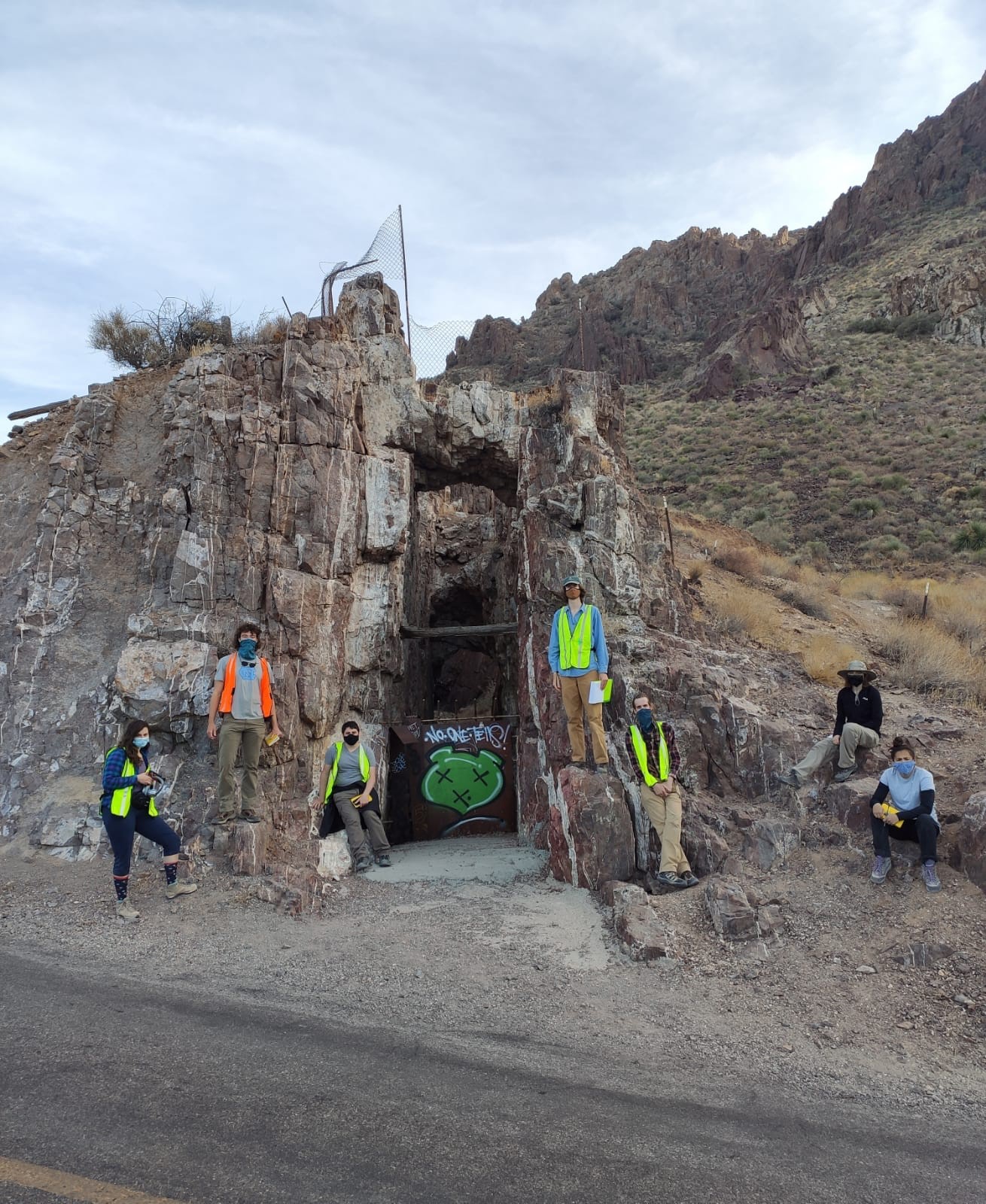
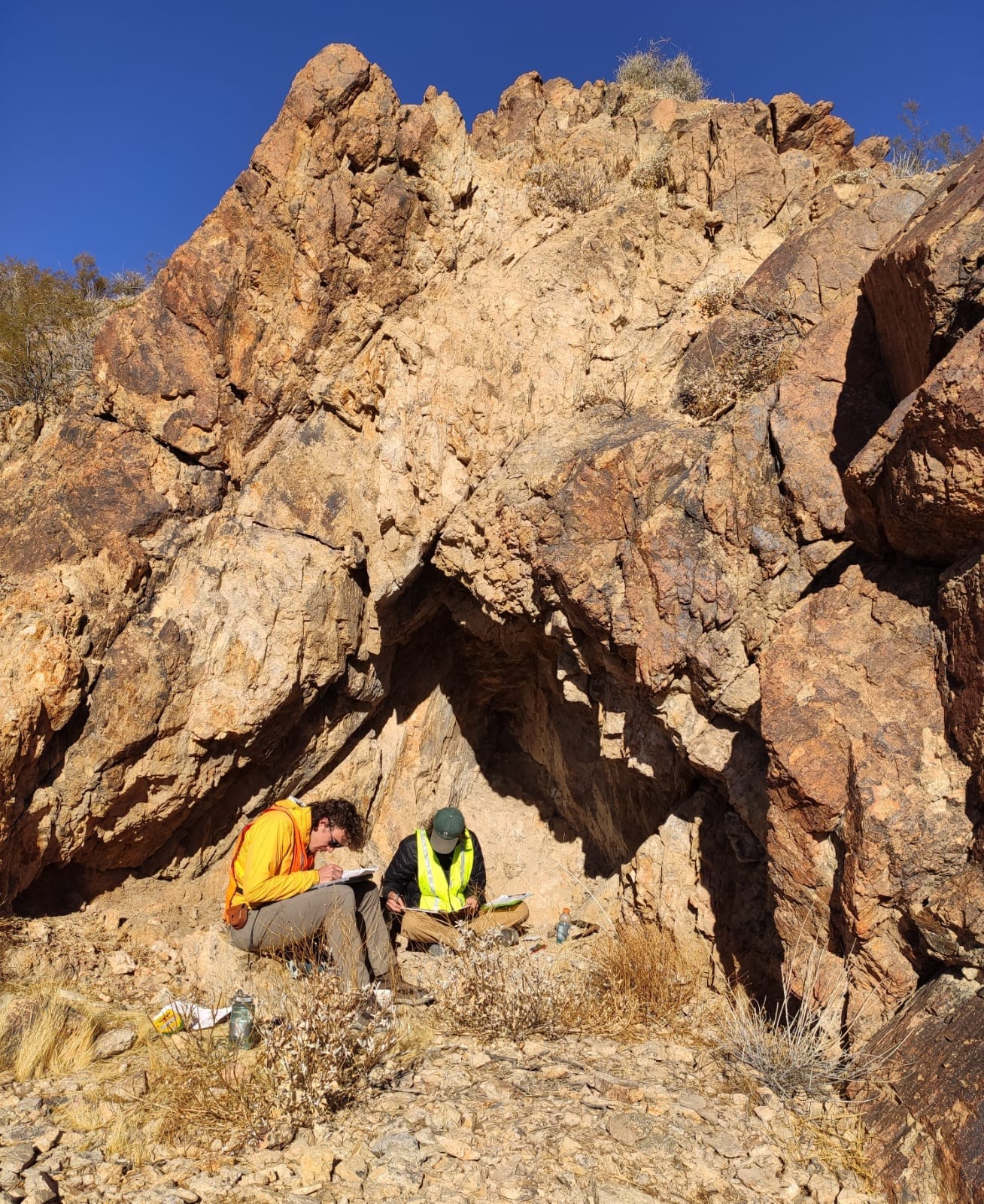
This camp, based in Bullhead City, AZ. Students will map map variety of geological environments ranging from easy sedimentary strata to igneous and metamorphic complexes. Students will: make geologic observations and maps, measure stratigraphic sections, collect structural data and conduct simple structural analyses; construct geologic cross sections; interpret geologic history from both local and regional geologic relations. Mapping techniques will utilize both topographic base maps and GPS.
Physical geology, mineralogy and/or petrology required; structural geology helpful but not required.
Field work will involve working in rugged and steep terrain. Some projects may include demanding hikes of considerable length and elevation gain. Students are expected to be physically and mentally prepared to work in these conditions.
We will be staying in motel style housing in Bullhead City, AZ. No camping.
Weather around Bullhead City in January is unpredictable. Days can be warm pleasant, but cold weather is not that uncommon, and nights are cold. The average January high is 67˚F; the average low is 40˚F. Students should expect variable conditions with the potential for cold, windy, and perhaps even wet weather.
Geology in the Field, 1985, Robert R. Compton. (Note: This text is now out of print, so please try to find one online if you don’t have it already).
Dr. Umit Yildiz, Arizona Camp Coordinator
umit.yildiz@sdsmt.edu
Dr. Nuri Uzunlar, Director, Black Hills Natural Sciences Field Station
Professor, Geology and Geological Engineering Department
South Dakota School of Mines and Technology
Office Phone: (605) 394 – 2494 ; Cell: (605) 431-1275